
Paving the Way: How West Berkshire Masters the Art of Pothole Repair
In a quiet Newbury cul-de-sac, Jonathan Ullmer from Volker Highways surveyed a small, seemingly innocuous pothole.
Inches from the kerb, it quietly signaled wear and tear, a potential nuisance for a nearby householder.
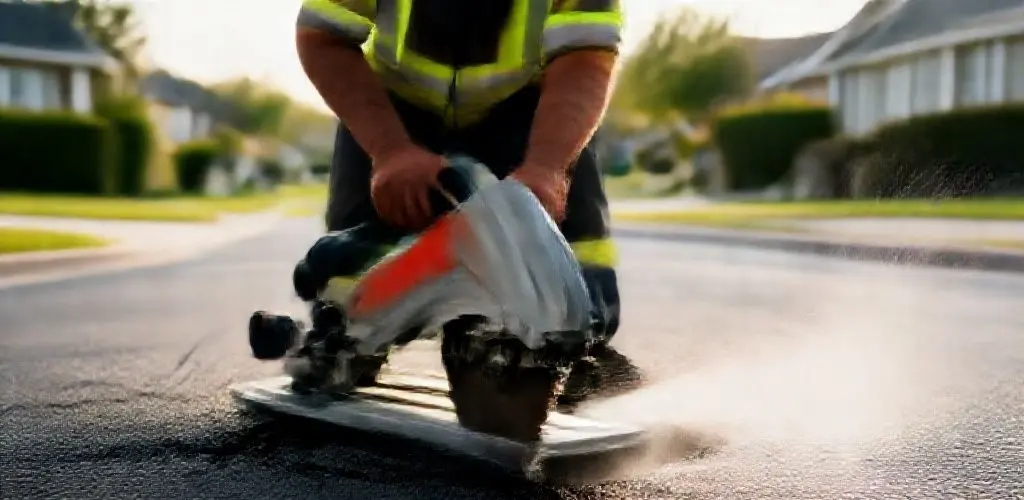
His team began their precise work, erecting barriers and using a water-fed stone saw.
This was not just filling a hole; it was stewardship, ensuring reliable roads for the community.
West Berkshire Council, in partnership with Volker Highways, showcases exemplary pothole repair.
Their Department for Transport green rating underscores efficient, modern techniques such as cold lay tarmac and systematic intervention levels, ensuring rapid, cost-effective fixes that prioritize public safety and long-term road quality.
Why This Matters Now: Beyond the Surface Damage
Potholes are more than an annoyance; they drain public resources and pose a road safety hazard.
While public perception often laments slow repairs, West Berkshire offers a different reality.
The Department for Transport awarded West Berkshire Council a top green rating for pothole repair effectiveness, as reported by the BBC in 2024.
This commitment to modern road maintenance directly impacts daily commutes and vehicle longevity.
This success highlights a crucial shift: infrastructure management now leverages efficient processes and smart material choices for durable solutions.
For local authorities and contractors, replicating these best practices is essential for public safety and budget optimization.
The Unseen Criteria: When a Pothole Demands Attention
You might think a small pothole is not bad, yet Jonathan Ullmer’s expertise goes deeper.
A minor pothole, even if not deep, could still pose problems for a local householder.
Ullmer explained that every pothole has an intervention level determined by its carriageway location and potential for major concern.
This insight—that location and impact often outweigh apparent severity—drives proactive maintenance, deploying resources where they truly matter.
What the Research Really Says: Precision and Pavement
West Berkshire’s meticulous approach relies on strategic choices for efficiency and longevity, offering compelling insights into road infrastructure management.
-
First, modern repair methods boast remarkable efficiency.
A small pothole can be fixed in about 10 minutes, as Jonathan Ullmer of Volker Highways notes.
This rapid repair minimizes traffic disruption, allowing increased repair volumes and improved road quality.
-
Second, specific materials demonstrate cost-effectiveness and reduced waste.
Using cold lay tarmac eliminates extra vehicles and significantly cuts material wastage, especially in colder conditions, according to Ullmer.
These smart choices yield substantial operational savings, stretching budgets and enhancing maintenance flexibility.
-
Finally, pothole intervention levels extend beyond mere depth.
Prioritization considers a pothole’s location and its potential concern to local householders, ensuring critical repairs are addressed first and resources allocated to the most impactful areas.
Playbook You Can Use Today: Best Practices for Road Maintenance
For superior road maintenance, municipalities and contractors can learn from West Berkshire’s green-rated operations.
-
Adopt a systematic intervention level assessment, evaluating potholes based on carriageway location and potential user impact, ensuring even small but risky issues are addressed, as Jonathan Ullmer emphasizes.
-
Embrace modern, efficient repair techniques: invest in water-fed stone saws for precise cuts and pneumatic drills for efficient excavation, prioritizing durable work.
-
Prioritize cost-effective and adaptive materials, like cold lay tarmac, which Ullmer notes reduces waste and costs, especially in cooler weather, allowing more repairs within budgets.
-
Integrate compaction technology for durability; a compactor activates cold tarmac’s bonds, creating a lasting base.
-
Finally, seal repairs with quality finishing, applying sealant around edges to prevent water ingress and demonstrate commitment to long-term quality.
Risks, Trade-offs, and Ethics: The Long View
Even with optimal techniques, road maintenance faces challenges.
A significant risk is the temptation for cheaper, temporary fixes under budget pressure.
Jonathan Ullmer describes these as merely chucking something in a hole, which ultimately incurs higher long-term costs and public dissatisfaction.
A key trade-off balances repair speed with minimal resident disruption, making efficient methods paramount.
Ethically, governments and contractors must ensure public safety and be good stewards of taxpayer money.
This requires resisting shortcuts, maintaining transparent repair schedules, and applying high standards.
Prioritizing durable, systematic repairs affirms their commitment to public good and infrastructure integrity.
Tools, Metrics, and Cadence: Driving Performance
Effective pothole repair demands specific equipment, measurement, and regular review.
-
Essential tools include a water-fed stone saw, pneumatic drill, cold lay tarmac, shovels, a whacker plate compactor, and a hand sprayer with sealant.
-
Key Performance Indicators (KPIs) measure success: Repair Completion Time (under 15 minutes for small potholes), Customer Satisfaction (over 90%), Durability Rate (over 95% for 12 months), and Cost Efficiency (cost per square meter).
-
A consistent review cadence drives performance, involving daily team lead checks, weekly operational meetings, monthly comprehensive KPI reviews, and annual strategic assessments.
Conclusion: The Unsung Heroes of Our Roads
As the final spray of sealant settled, Jonathan Ullmer nodded with quiet satisfaction.
Another pothole, another small battle won against road wear and tear.
This seemingly ordinary act, executed with precision and foresight, transforms into a testament to skilled craftsmanship and strategic public service.
It is a powerful reminder that community bedrock rests on diligent, often unsung efforts.
People like Jonathan and his team ensure our journeys remain smooth and safe, one perfectly repaired section of road at a time.
The path to better infrastructure is paved with meticulous execution and a human touch.
Let us keep building on that foundation, together.
References
-
BBC. How to fix a pothole from the best in the business.
-
BBC. Potholes map rates council road repair progress. 2024.
-
BBC. Who fixes potholes where you live? 2024.