
The Wisdom of Delay: Meta’s Phoenix Glasses and the Pursuit of Quality
The late afternoon sun used to stream through my grandmother’s kitchen window, painting golden stripes across the worn wooden table where she would sit, patiently shelling peas.
Each pod was examined, each pea meticulously separated, only the plumpest making it into the bowl.
Haste makes waste, she would often say, her hands moving with a rhythmic precision that belied her age.
She understood that true quality was not rushed; it was a testament to care and an eye for detail.
This simple wisdom, born from decades of life, often feels lost in our breakneck digital world, where product launches come thick and fast, and market share is seemingly won by speed.
Yet, sometimes, even the biggest players pause, perhaps remembering a similar quiet wisdom.
Meta, a titan in the tech industry, is doing just that.
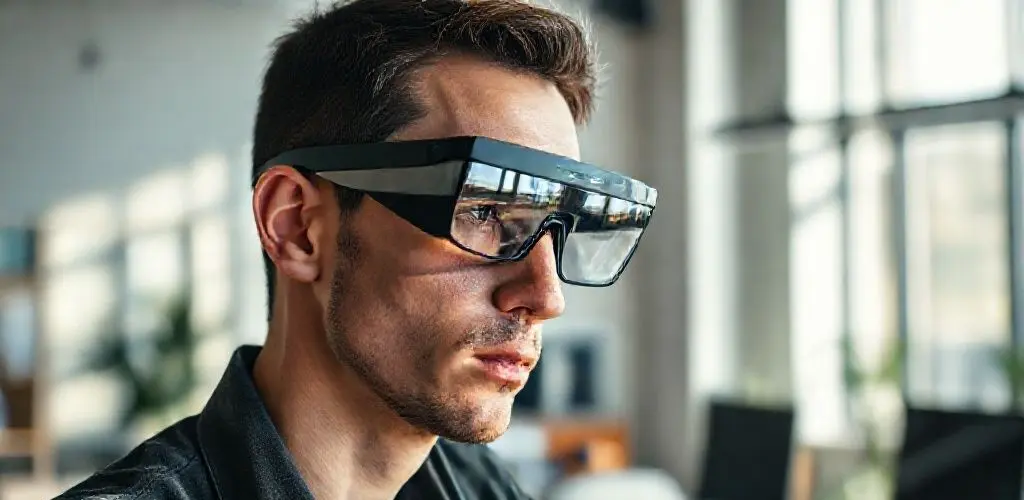
They are taking a step back, not forward, with their anticipated Meta Phoenix glasses, a significant mixed-reality delay.
It is a move that echoes my grandmother’s approach, prioritizing meticulous detail over a swift sprint to market, and it signals a potentially significant recalibration in the race for mixed reality.
In short: Meta is delaying its Phoenix mixed-reality glasses until 2027 to get the details right, alongside significant Metaverse budget cuts.
This strategic pivot highlights a focus on product quality and market positioning in the competitive AR/VR landscape, indicating a more cautious, deliberate approach to innovation and Meta hardware strategy.
This delay is not just a blip on a corporate timeline; it is a profound statement about the maturity of a burgeoning technology and Meta’s commitment to delivering a polished, user-centric experience.
An internal memo, cited by Business Insider, reveals Meta executives Gabriel Aul and Ryan Cairns believe this delay provides a lot more breathing room to get the details right.
This emphasis on perfection comes amidst broader financial adjustments: Bloomberg News reported that Meta expects budget cuts of up to 30% for its metaverse initiative.
Such a significant shift underscores the high stakes and evolving strategies in the competitive mixed reality devices arena, including for Reality Labs projects.
Why Getting the Details Right is the Core Problem
In an era where tech giants constantly vie for mindshare with dazzling announcements, the decision to delay a major product like the Phoenix mixed-reality glasses might seem counterintuitive.
Surely, the faster to market, the better?
Not always.
The core problem Meta appears to be addressing is the chasm between ambition and execution, especially in a nascent and highly complex field like mixed reality.
Rushing a product with immature technology or an unrefined user experience can lead to reputational damage that far outweighs any early market advantage.
The industry has seen its share of premature launches.
Early mixed reality devices often struggled with comfort, battery life, or a lack of compelling content, dampening initial user enthusiasm.
Meta’s Phoenix goggles, previously code-named Puffin, are already reported to weigh around 100 grams, feature lower-resolution displays, and weaker computing performance compared to high-end headsets like Apple’s Vision Pro, as detailed by The Information.
This counterintuitive insight—that a seemingly lesser device might actually need more time to perfect its experience—highlights a strategic awareness.
It suggests Meta is not aiming to out-spec everyone but rather to create a compelling, accessible user experience within its chosen niche for its mixed reality devices.
What the Research Really Says About Meta’s Strategy
The recent reports paint a clear picture of Meta’s evolving strategy in the mixed-reality space.
The delay of the Phoenix mixed-reality glasses, coupled with significant Metaverse budget cuts, suggests a more deliberate, quality-focused approach.
Business Insider, citing Reuters, reported that Meta pushed back the Phoenix release from late 2026 to 2027, specifically to get the details right.
This indicates Meta is prioritizing product refinement over rapid market entry.
This implies a strategic move to avoid the pitfalls of an unpolished launch, aiming for a robust device that can build sustained user adoption rather than just make a temporary splash.
The Information reported in July that Phoenix goggles weigh only 100 grams and have lower-resolution displays and weaker computing performance than high-end headsets like Apple’s Vision Pro.
This suggests Phoenix might be targeting a different market segment entirely.
Meta could be positioning Phoenix as a more accessible, comfortable, everyday mixed-reality device, focusing on broader appeal and casual use rather than power-intensive, professional applications, a key aspect of Meta hardware strategy.
Bloomberg News reported that Meta expects budget cuts of up to 30% for its metaverse initiative.
This signals a potential re-evaluation of Meta’s investment strategy in the broader metaverse vision.
Meta might be consolidating its efforts, focusing Reality Labs resources on fewer, more impactful projects, or adjusting its long-term vision based on market realities and financial performance.
This is not necessarily a retreat, but a strategic reallocation of capital for their AR/VR technology endeavors.
A Playbook for Strategic Product Development
For businesses navigating complex product development cycles, especially in emerging tech like mixed reality, Meta’s pivot offers valuable lessons.
- First, prioritize getting the details right.
Do not hesitate to delay a launch if it means delivering a superior product.
As Meta executives Aul and Cairns noted, this provides a lot more breathing room.
Focus on user experience and bug-free functionality from the outset.
- Second, define your market segment sharply.
Understand if you are building a high-end, performance-driven device or a more accessible, everyday solution.
Meta’s Phoenix, with its 100-gram weight and lower specs according to The Information, appears to be aiming for a different segment than Apple Vision Pro, suggesting a clear strategic choice in Meta hardware strategy.
- Third, strategically allocate resources.
Amidst Meta’s 30% Metaverse budget cuts reported by Bloomberg News, it is crucial to regularly review and reallocate your investment.
Focus on core projects that align with your revised market strategy, preventing resource drain on less promising ventures within Reality Labs.
- Fourth, embrace iterative development with user feedback.
Implement continuous cycles of prototyping, testing, and feedback integration.
This agile approach allows for course correction and ensures the details are indeed getting right before final production.
- Fifth, communicate transparently, both internally and externally.
While Meta’s memo was internal, the sentiment of needing time to polish is universal.
Be honest about challenges and revised Phoenix release date timelines to maintain stakeholder trust.
- Sixth, build for longevity, not just launch.
Focus on the long-term viability and ecosystem of your product.
A well-designed, polished initial release, even if delayed, sets a stronger foundation for future updates and adoption of mixed reality devices.
- Finally, leverage data for decision-making.
Use market research, competitor analysis like the Apple Vision Pro comparison, and internal performance metrics to inform every strategic pivot, ensuring decisions are data-driven, not just speculative.
Risks, Trade-offs, and Ethical Considerations
While a delay for quality is often wise, it is not without risks.
The primary trade-off is momentum.
A postponed launch gives competitors more time to gain market share or innovate further.
There is also the risk of diminishing consumer excitement if delays become too frequent or prolonged.
Meta, investing heavily in the broader metaverse and its hardware strategy, needs to manage this perception carefully.
Ethically, the development of mixed reality devices like the Phoenix raises significant concerns.
How will user data be collected, stored, and utilized?
With devices that blend digital and physical realities, the potential for intrusive advertising, privacy breaches, or even the manipulation of perception grows.
Companies must commit to transparent data policies, robust security measures, and prioritize user control over their digital identities and experiences.
Furthermore, accessibility must be a core design principle, ensuring these powerful mixed reality devices do not deepen existing digital divides.
Tools, Metrics, and Cadence for Success
To navigate these strategic pivots effectively, robust systems are essential.
Recommended tool stacks include Jira, Asana, or Monday.com for project management, helping track development cycles, tasks, and dependencies for mixed reality devices.
For user feedback and testing, consider UserTesting, SurveyMonkey, or dedicated in-house UX labs.
Analytics and business intelligence tools like Tableau, Power BI, or Google Analytics offer critical market insights and product performance data.
For collaboration, Slack, Microsoft Teams, or Google Workspace facilitate seamless internal communication, especially regarding Phoenix release date adjustments or Reality Labs updates.
Key Performance Indicators (KPIs) are crucial for measuring success.
Aim for a Product Quality Score of less than 0.01% bugs reported per active user.
Target a Net Promoter Score (NPS) above 60 for user satisfaction among early adopters, and a feature adoption rate exceeding 70% for key mixed-reality features.
Monitor Cost Efficiency in Research and Development, striving to stay within a 5% variance of the budget for AR/VR technology.
Finally, target a market share of over 15% in the first year within your defined segment.
Establish a clear review cadence.
Conduct weekly agile sprint reviews for development teams.
Hold bi-weekly product leadership reviews to assess progress, issues, and tactical adjustments.
A monthly cross-functional leadership review should encompass development, marketing, sales, and customer feedback.
Quarterly, conduct a strategic review with executive leadership, assessing market position, budget utilization—especially given the Metaverse budget cuts—and the long-term Meta hardware strategy.
This is the forum where major decisions, like a Meta Phoenix glasses delay, would be thoroughly examined.
Conclusion
My grandmother’s gentle wisdom about shelling peas was not just about food; it was about the art of creation.
It was about respect for the process, understanding that the best outcomes emerge not from haste, but from intentionality and a commitment to detail.
Meta’s delay of the Meta Phoenix glasses to 2027, born from a desire to get the details right amidst broader Metaverse budget cuts, reflects a similar, albeit grander, philosophy.
It is a pause that suggests a deeper respect for the mixed-reality marathon, not just the sprint.
In a world clamoring for the next big thing, Meta’s strategic recalibration is a powerful reminder that sometimes, the most innovative move is to slow down, refine, and ensure that what you bring to the world is not just new, but truly right.
For any business navigating the complexities of emerging technology and product development, this is more than just a headline; it is a vital lesson in patience, precision, and the enduring power of quality.